
About the FAAST Workforce Program
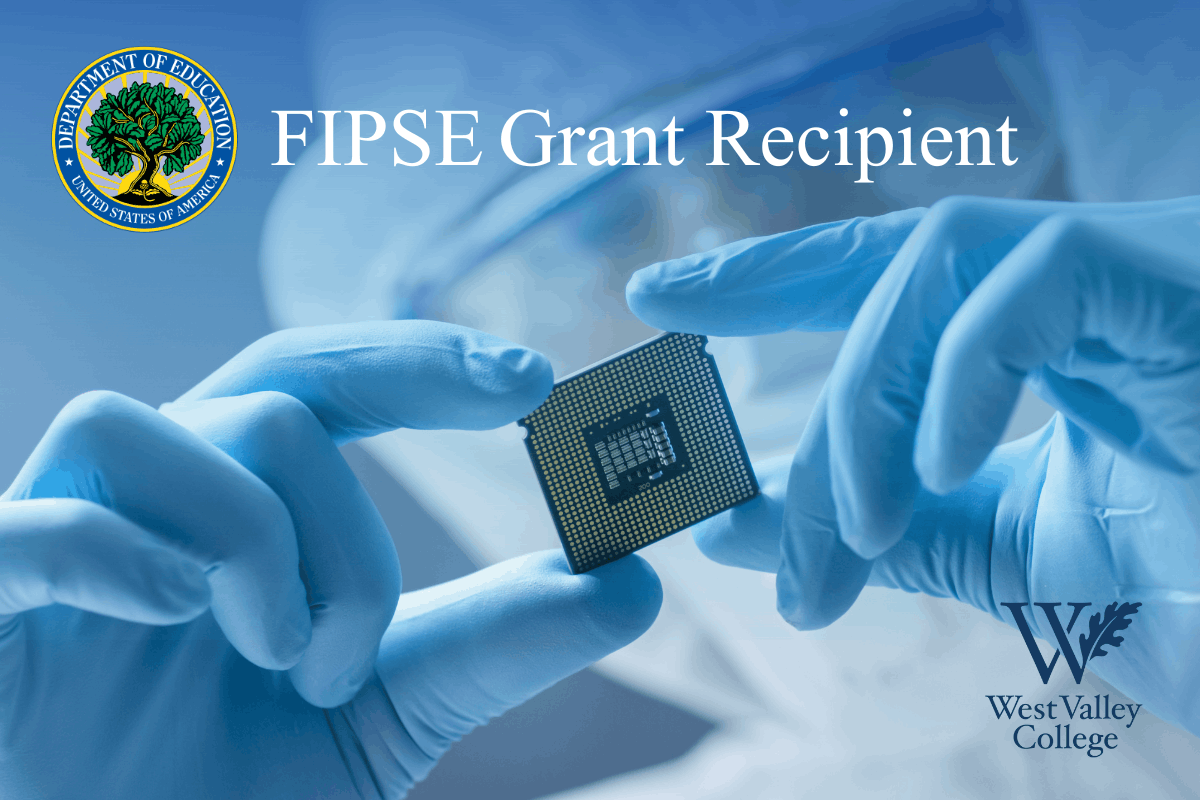
The Foundations for Advancing America's Semiconductor Technician (FAAST) Workforce Program is a transformative workforce initiative designed to prepare the next generation of semiconductor technicians for high-wage, high-demand careers in one of the most critical industries powering the global economy.
FAAST positions West Valley College as a regional and national leader in semiconductor workforce education. The program responds directly to the urgent need to rebuild America’s domestic semiconductor manufacturing workforce as the industry rapidly expands under the CHIPS and Science Act.
FAAST is built in close collaboration with industry, higher education, and K–12 partners to ensure students gain relevant, hands-on learning experiences aligned with real-world semiconductor fabrication environments. The program emphasizes accessibility, equity, and rapid pathways into living-wage careers—particularly for adult learners, career changers, and students historically underrepresented in advanced technology fields.
Pathways to Semiconductor Careers
The FAAST Workforce Program creates clear, accelerated pathways into semiconductor technician careers that do not require a four-year degree to get started.
Through a short-term, Workforce Pell-eligible certificate pathway, students gain foundational knowledge, applied technical skills, and industry exposure aligned with in-demand semiconductor technician roles. The pathway is designed to be:
- Accessible – Open to prospective students, adult learners, and career changers
- Accelerated – Short-term training that supports rapid entry into the workforce
- Stackable – Designed to connect to longer-term certificates, associate degrees, and transfer pathways
- Industry-Aligned – Competencies validated by industry partners and workforce data
Graduates are prepared for technician roles across semiconductor manufacturing and advanced manufacturing environments, including equipment, process, facilities, metrology, and integration support roles.
FAAST also supports future growth through dual enrollment and K–12 partnerships, helping high school students explore semiconductor careers early and build momentum toward postsecondary education and workforce opportunities.
Industry, Education, and Community Partners
FAAST is grounded in deep collaboration with industry and education partners to ensure training remains relevant, current, and responsive to workforce needs.
Key partners include:
- Stanford Nanofabrication Facility (SNF) – Providing hands-on exposure to cleanroom environments and semiconductor fabrication processes
- SEMI Foundation – Supporting workforce development and industry alignment
- ASML, Shinwa Controls, IBM, Lam Research – Industry partners contributing expertise, guidance, and workforce insight
- K–12 and Dual Enrollment Partners – Expanding early exposure and equitable access to semiconductor career pathways
These partnerships help ensure students experience learning that reflects real semiconductor manufacturing environments, while also strengthening regional workforce pipelines and employer connections. An industry-informed advisory structure supports continuous improvement, curriculum relevance, and long-term sustainability of the program.
Impact and Outcomes
The FAAST Workforce Program is designed to deliver measurable outcomes for students, industry, and the broader community.
- Preparation for high-wage, in-demand semiconductor technician careers
- Accelerated time-to-credential and workforce entry
- Increased access to careers that offer long-term economic mobility
- Addressing critical technician shortages in semiconductor manufacturing
- Preparing job-ready talent aligned with regional and national labor market needs
- Supporting the growth of domestic semiconductor manufacturing capacity
- Establishing West Valley College as a hub for advanced manufacturing workforce education
- Strengthening partnerships across education, industry, and workforce agencies
- Creating a scalable model that can be shared with other community colleges nationwide
As a federally funded initiative, FAAST also emphasizes transparency, accountability, and data-informed decision-making to demonstrate impact and guide continuous improvement.